710710–752 · Nara
Nara and the Great Buddha of Tōdai-ji

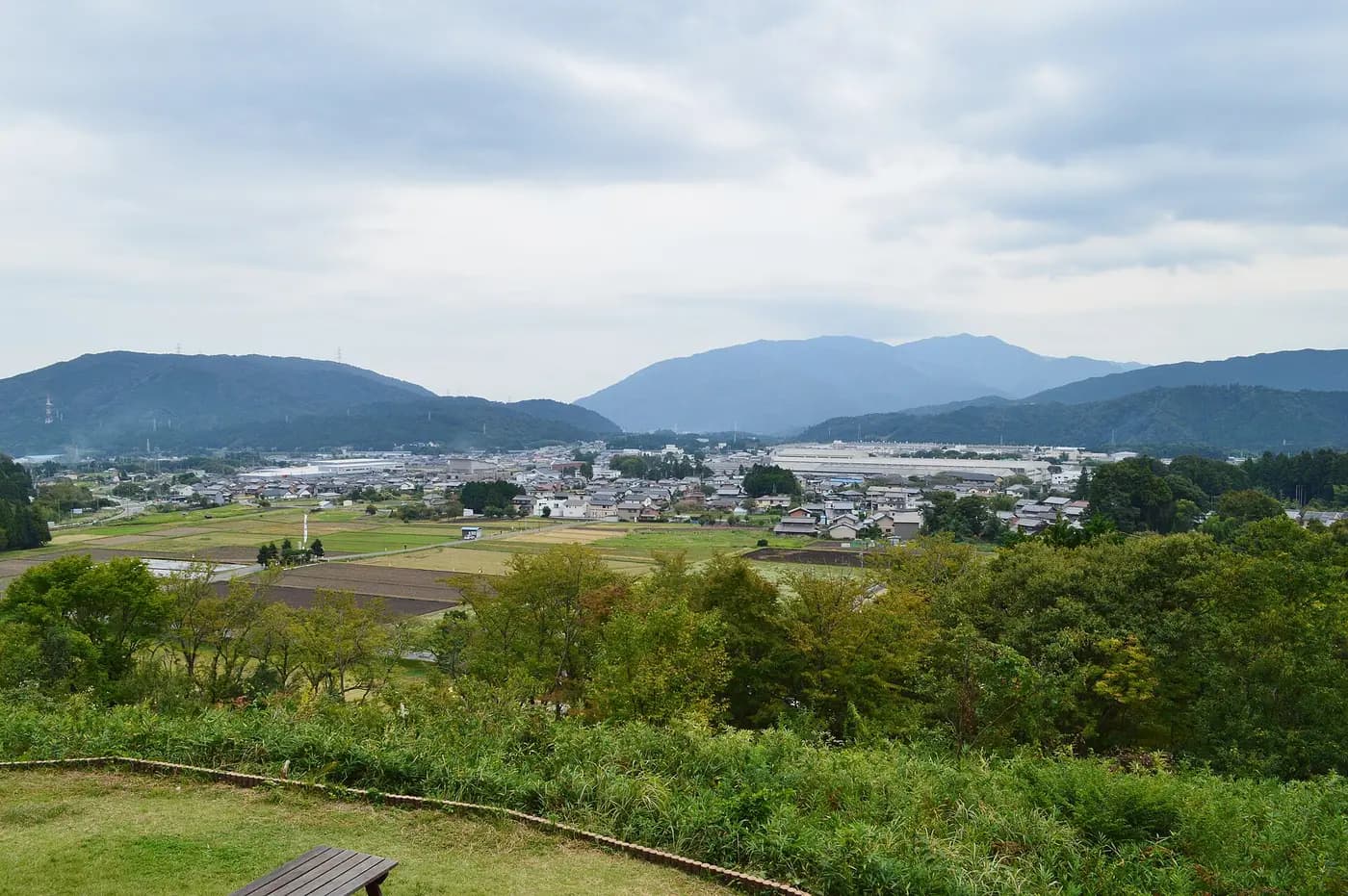
In 710 Japan's court settled at Heijō-kyō, a grid-planned capital modelled on Tang China's Chang'an. Emperor Shōmu, seeking divine protection during epidemics and revolts, ordered a colossal bronze Buddha, consecrated at Tōdai-ji in 752 with guests from as far as India. Nara's temples and the imperial storehouse show how Buddhism and Chinese-style government took root in Japan.
Sites
Guides who take you there
History-only · order never for saleWe haven't found an independent history guide for this yet. Guide here? Tell us about your tours.
Also in Kyoto
More from the Medieval

Read more: reference. Summary written by History-Tours.com.